EN
EN  ES
ES  DE
DE  FR
FR  PT
PT  NL
NL 

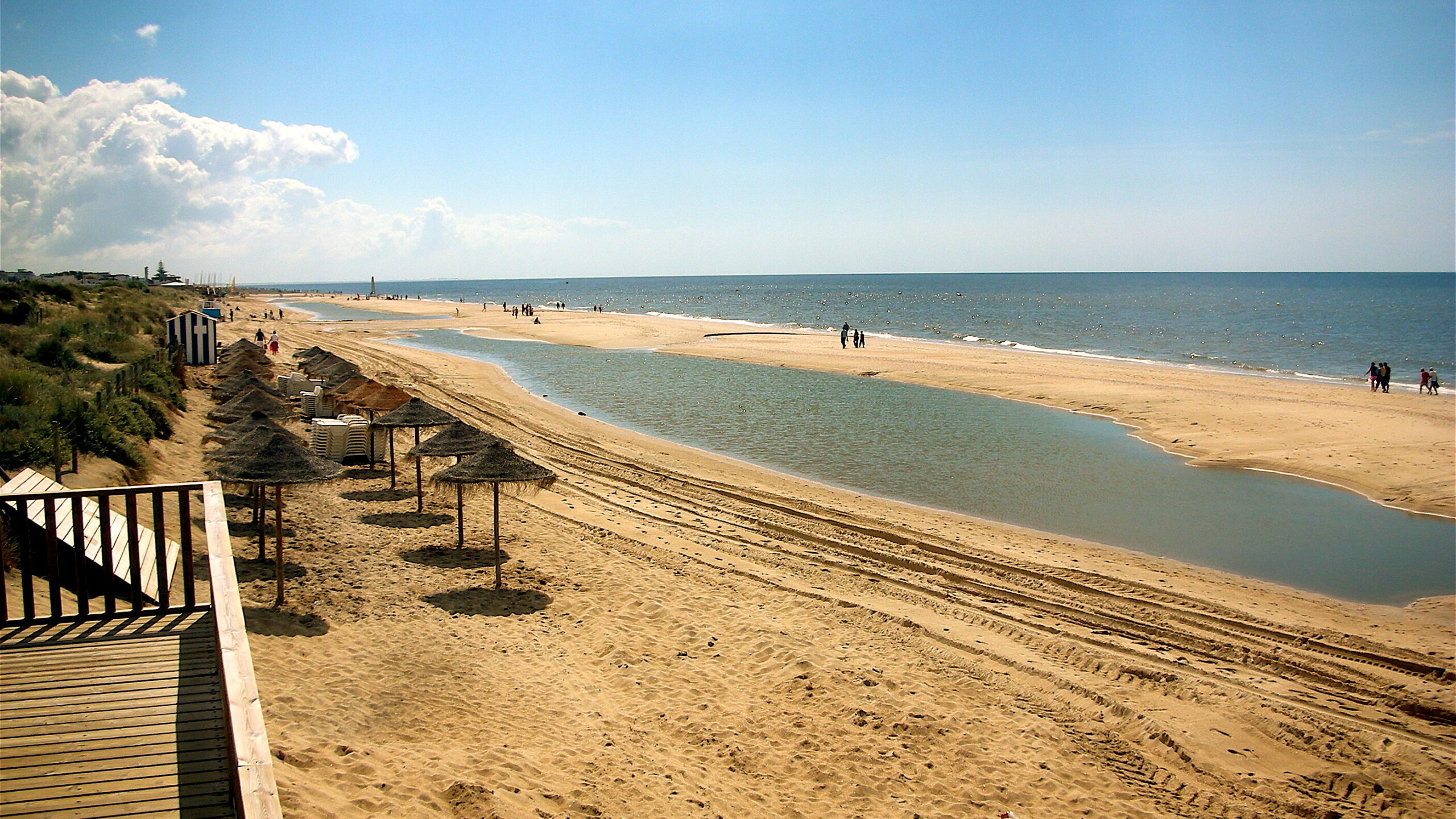
Along this long stretch of coastline you will find several wide beaches, and further inland you will discover the marshland area. In addition to water sports, walking and cycling, you can also take a day to visit the villages. A tour of the villages by bike is also recommended because the area is practically flat and many routes run along cycle paths and the Vía Verde.
Isla Cristina with its long golden sandy beaches and its important port city
Isla Cristina is a young and vibrant seaside town, very popular in the summer months. It was once situated on an island and was then called La Higuerita. It was founded in the 18th century by Catalan emigrants. Isla Cristina owes its popularity mainly to its beautiful 8km long golden sandy beaches, which are used by bathers in July and August, especially those from Seville. There are some excellent windsurfing spots along this stretch of coast.
Avenida Ángel Pérez is popularly known as Paseo de las Palmeras. This promenade is the most central pedestrian street in Isla Cristina, and takes its name from the palm trees that flank both sides of the promenade, where there are also iron benches.
At the end of the street you will reach the Hermitage of Our Lady of the Angels. The Paseo de las Flores is located in the centre, close to the Paseo de las Palmeras, and is one of the busiest squares in the city. On either side you will find modernist buildings, including the Casa Gildita, the Casino La Unión and the Casa Don Justo, as well as several shops and cafés with terraces. It is a pleasant place to have a drink.
Fishing port
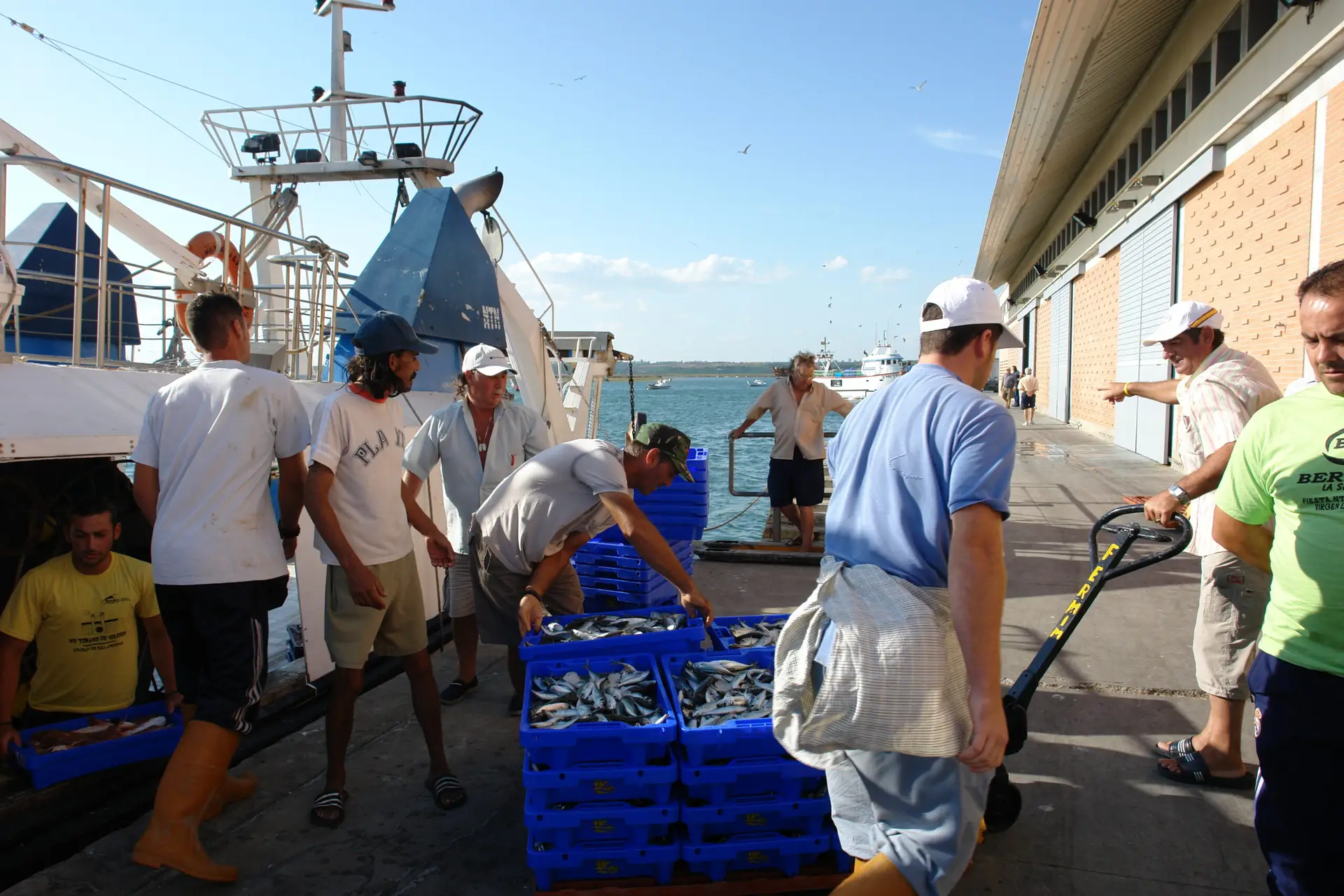
This lively port is the most important in Andalusia for its fleet and daily landing of fish and seafood, with a special presence of tuna. Take a stroll through the port while the fishing boats unload their catch in the afternoon. If you want to visit the Lonja, you can make a reservation at Calle San Francisco, 12. There is also a marina with good restaurants on the seafront.
Islantilla with beautiful beaches and known for its golf course
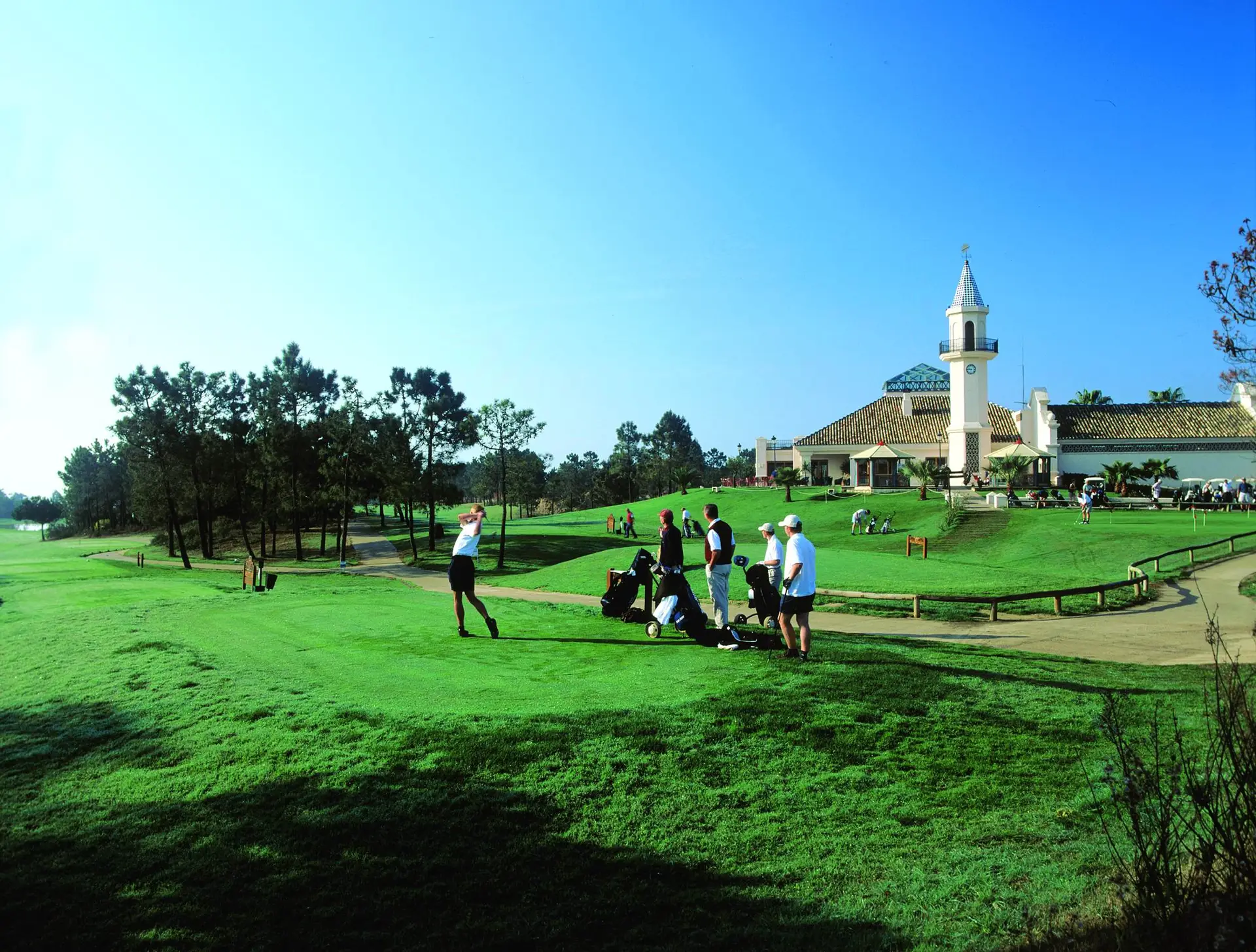
Islantilla is a place with shopping centres, cinemas, good nightlife, hotels and a lot of life during the summer months. In addition to its luxurious golf course in a residential area surrounded by pine forests, it stands out for its beautiful beaches surrounded by dunes, bordering Isla Cristina to the west and La Antilla to the east. In July 2017, the El Camaleón Park was inaugurated with almost 100,000 m2 of pine forest and native vegetation.
The park contains several attractions: a natural viewing point, a large open-air auditorium where concerts and shows are held, hiking trails, a gastrobar, a sports trail, picnic tables, children's play areas, a nature interpretation classroom, and the longest urban zip line in Europe.
Islantilla beach is 1.4 kilometres long. In fact, the beaches from Isla Cristina to Nueva Umbría are one beautiful continuous stretch of beach 20 kilometres long. There are two good sailing schools on the beach and cosy bar terraces.
Islantilla has one of the best golf courses in Huelva: 27 holes surrounded by typical landscapes of the Costa de la Luz and with the opportunity to enjoy 3 golf courses of 9 holes each. It was opened in 1992 and is the venue for some of the most important golf tournaments in Andalusia. It was the only one in the province of Huelva to host a European circuit event, such as the Tour España Masters in 1995. In addition, in 2000 it was listed by Golf Digest magazine as one of the 100 best golf courses in Europe.
La Antilla, cozy and picturesque
La Antilla is a small coastal town with a pleasant centre and a long beach. It is located five kilometres south of Lepe. Directly opposite La Antilla beach is the picturesque fishing district of El Carmen. Antilla beach is a beautiful 3.5-kilometre-long golden sandy beach with cosy beach bars, and borders Islantilla to the west. The beach has a family atmosphere and attracts many bathers. It is very suitable for windsurfing and other water sports. The promenade runs along the beach with palm trees, old houses, hotels, tapas bars and excellent fish restaurants. Parallel to it is the main street: Avenida de Castilla, full of shops, bars and a new market.
Lepe with its beautiful Plaza España
Lepe is an important town with a predominantly agricultural economy located 5 kilometres from the port of El Terrón. Until the late 1970s its economic activity was based mainly on fishing, but now Lepe is one of the richest towns in the region thanks to the intensive cultivation of strawberries and red fruits, which are exported to all of Europe.
The epicentre of Lepe is Plaza España, where the main pedestrian streets meet and where the main shops and banks are located. It is a fairly large square, surrounded by trees and benches and with a decorative fountain in the centre. In this square you will find the two most important buildings in Lepe: the town hall and the parish church of Santo Domingo de Guzmán, with its 14th-century bell tower. Visit the Lepe market to sample local produce and explore the picturesque streets of the old town.
The Terrón at the mouth of the river
El Terrón is a fishing village with a marina located 8 kilometres from Lepe and 24 kilometres from Isla Cristina. It is located near the mouth of the Piedras River and the 'Marismas del Río Piedras y Flecha del Rompido' Natural Area, an environment rich in flora and fauna. The Piedras River has extensive marshes on its banks and on the coast you will find pine forests, dunes and streams. Currently, larger boats cannot dock in the port because the sandbank at the mouth of the river grows every year. The old fishing port has been converted into a marina with 260 moorings and a gastronomic entertainment centre. El Terrón is the starting point for going up the aforementioned Natural Area where La Flecha is located, a natural and protected environment of fine white sand with a nudist beach. The port has numerous fish restaurants where you can taste the famous white shrimp from Huelva.
La Redondela: between agriculture and fishing
The village itself is very quiet and consists mainly of new buildings. However, it has quite an ancient history that is not immediately apparent. Already inhabited in Phoenician times, La Redondela has maintained its continuity with all the cultures that have passed through the area. The village has always depended on agriculture and fishing. At one time it even had a castle, but today you can find nothing more than a reference on Google Maps that it was once there. Inside the town hall there is a room dating back to the Mudejar period. In La Redondela you can taste a delicious craft beer in the Rubens Garden.
Visiting some of these villages will give you a good idea of the local culture, nature and history of the region around Islantilla. Have fun exploring these beautiful places!