EN
EN  ES
ES  DE
DE  FR
FR  PT
PT  NL
NL 

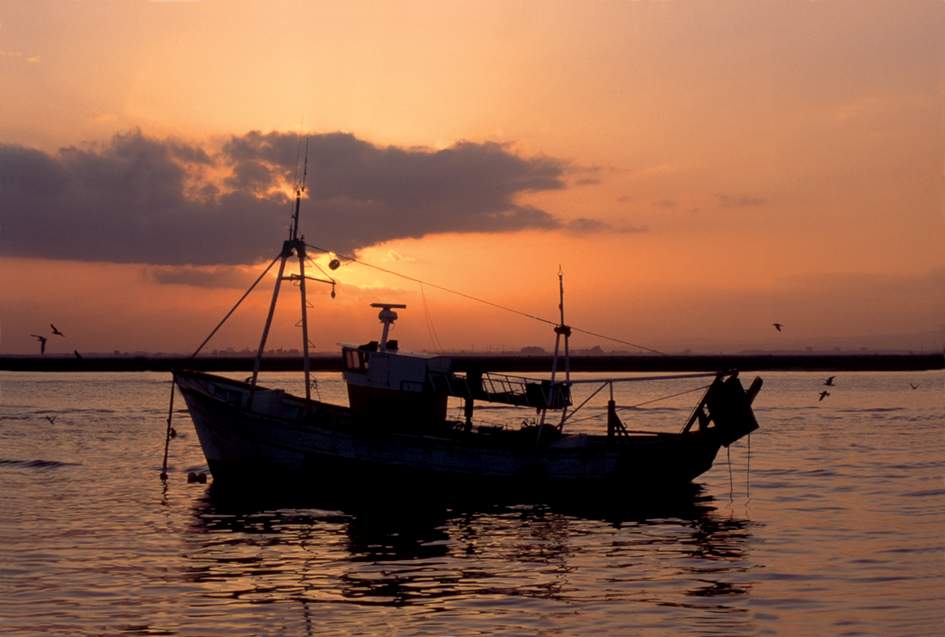
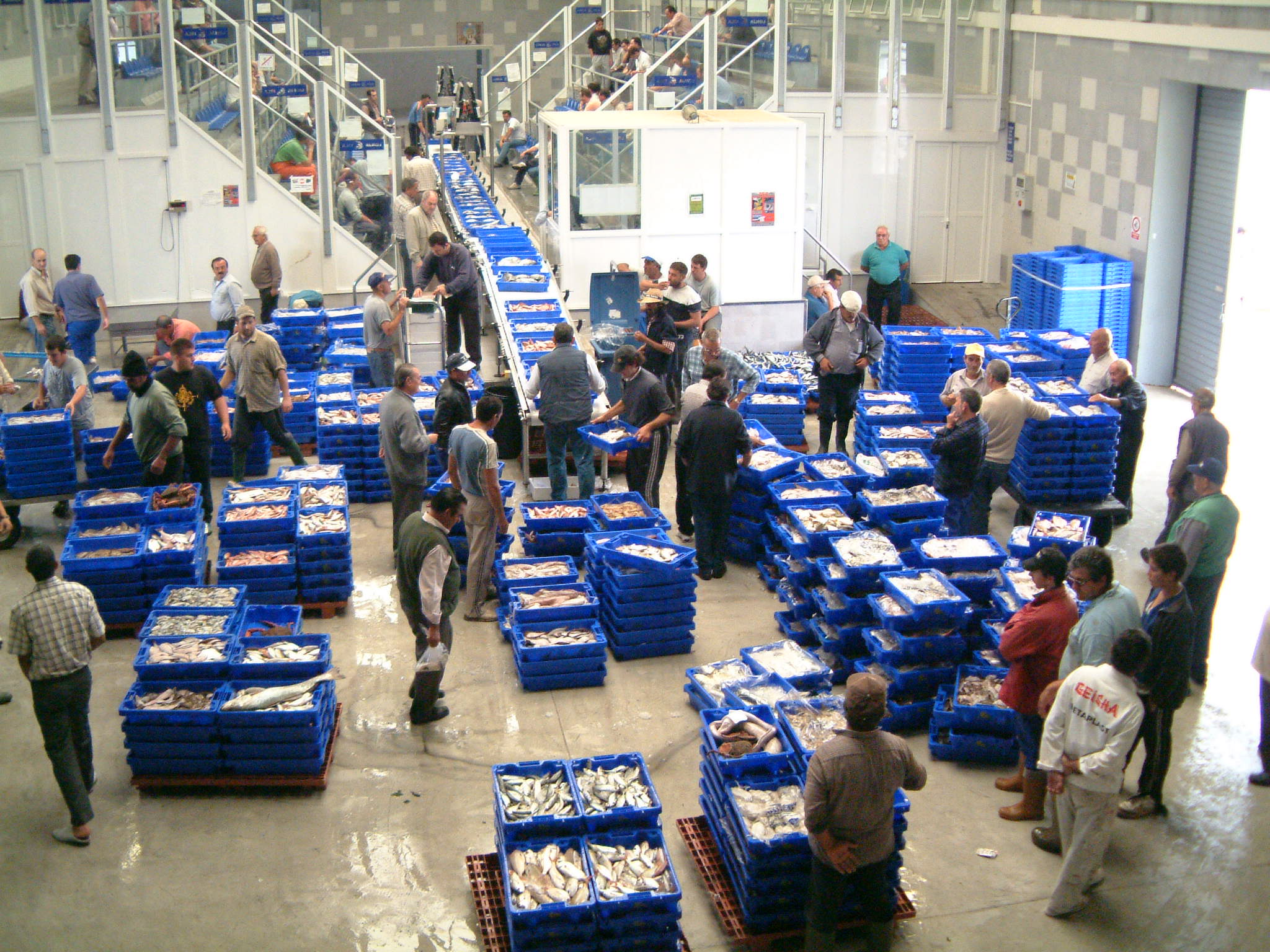
The origins of Isla Cristina are, therefore, very recent, dating back to the second half of the 18th century, when Catalan fishermen from the Mediterranean settled there to exploit the sardine and tuna fishing grounds, season and preserve the fish, and extract salt. Attracted by the rich fishing grounds in the south of the peninsula, these nomadic fishermen settled in the area only during the high season, but after the devastating Lisbon earthquake of 1755, followed by a tsunami, they changed their ways. The thatched huts in which they lived were destroyed, and they decided to settle in the area permanently. Thus was born the Royal Island of La Higuerita, named after a fig tree next to a freshwater spring discovered by José Faneca, the first permanent resident. The Catalan influence is still visible today in local surnames such as Mirabent, Romeu, and Pujol, and in local dialect words derived from Catalan, such as “cheta” (tap) and “lota” (fish market).
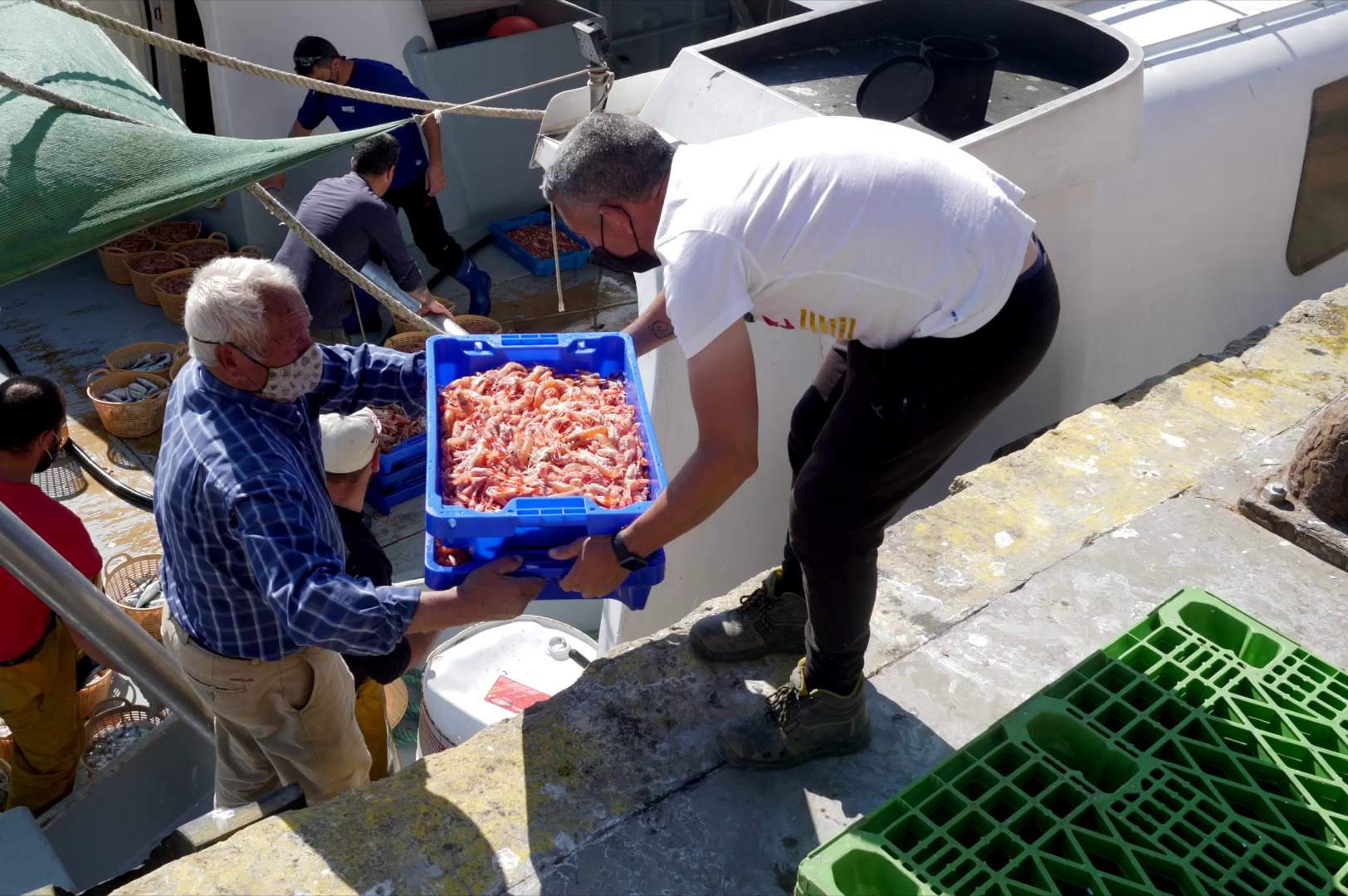
After the Lisbon earthquake of 1755, the then Royal Island of La Higuerita was established. Around 1834, the name was changed to its current name, Isla Cristina, in gratitude to Queen Maria Cristina for her humanitarian aid during a cholera epidemic. Today, the port of Isla Cristina is the most important in Andalusia and one of the most important in Spain, both for its fleet and for the daily catch of fresh fish and seafood.
Its light, its people, its customs, and its flavors captivate all who visit the city, offering unique experiences imbued with the purest essence of Huelva. The squares and streets are home to little treasures you can discover at any time of year. Its deep-rooted seafaring tradition and the unparalleled quality of its beaches make it the perfect attraction for those who choose to enjoy the sun and the charms of the Huelva coast.
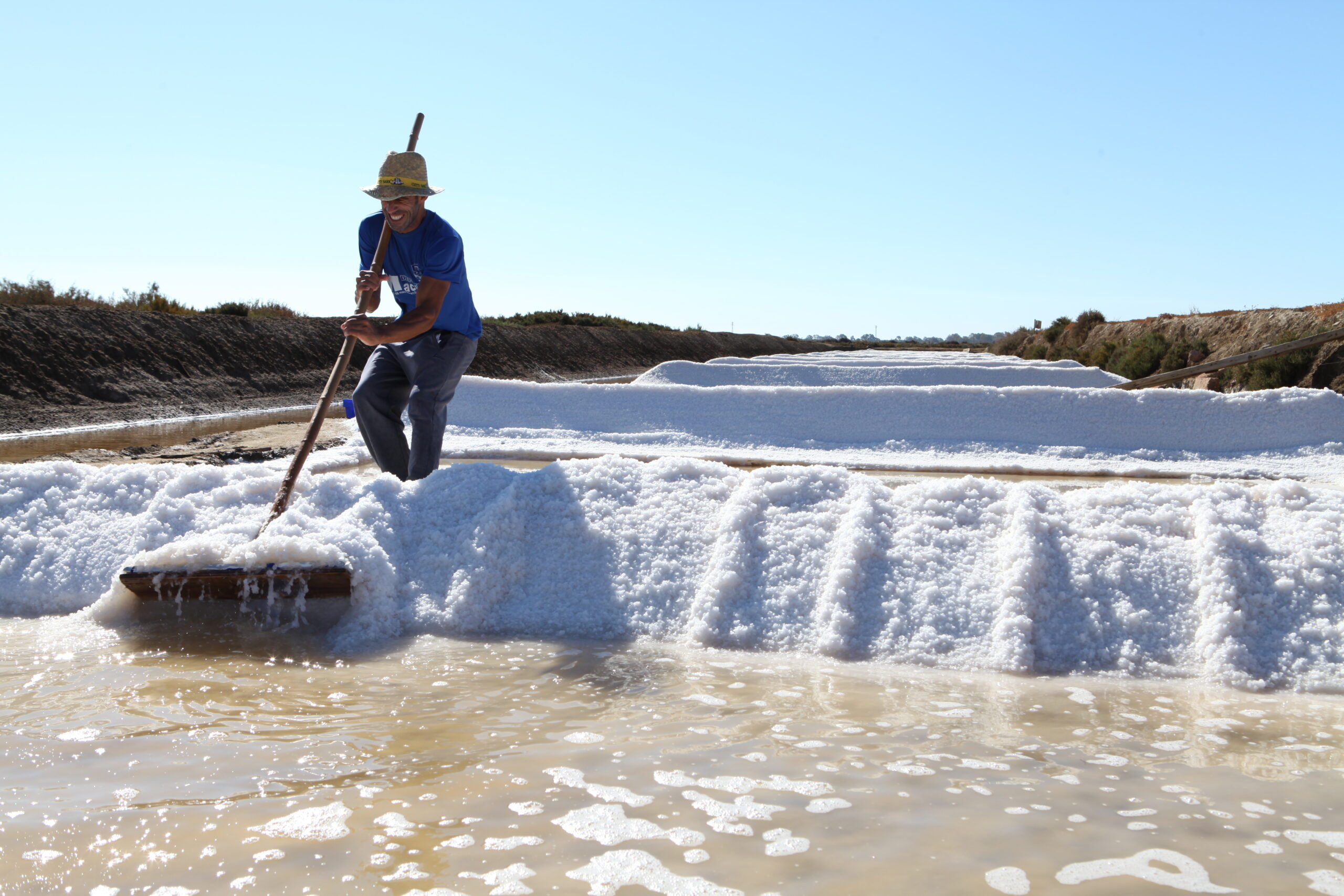
In the area, you can visit entrepreneurs who will tell you about the history and methods of artisanal production in one of the only existing ecological businesses, where economic activity alternates with nature conservation. For example, the salt mines, the salt extraction companies that have been located since 1955 next to the fishing village of Isla Cristina, in a natural setting of great scenic interest, which is a benchmark from an ecotourism perspective. It's worth mentioning that these areas are also a great seabird observatory.
The last remaining artisanal salt ponds in Andalusia are open to visitors by appointment. They contribute to the natural preservation of the environment through sustainable exploitation and preserve traditional methods of salt production and extraction. Each year, these salt ponds produce tons of coarse salt, fine salt, and other types such as fleur de sel and flake salt.
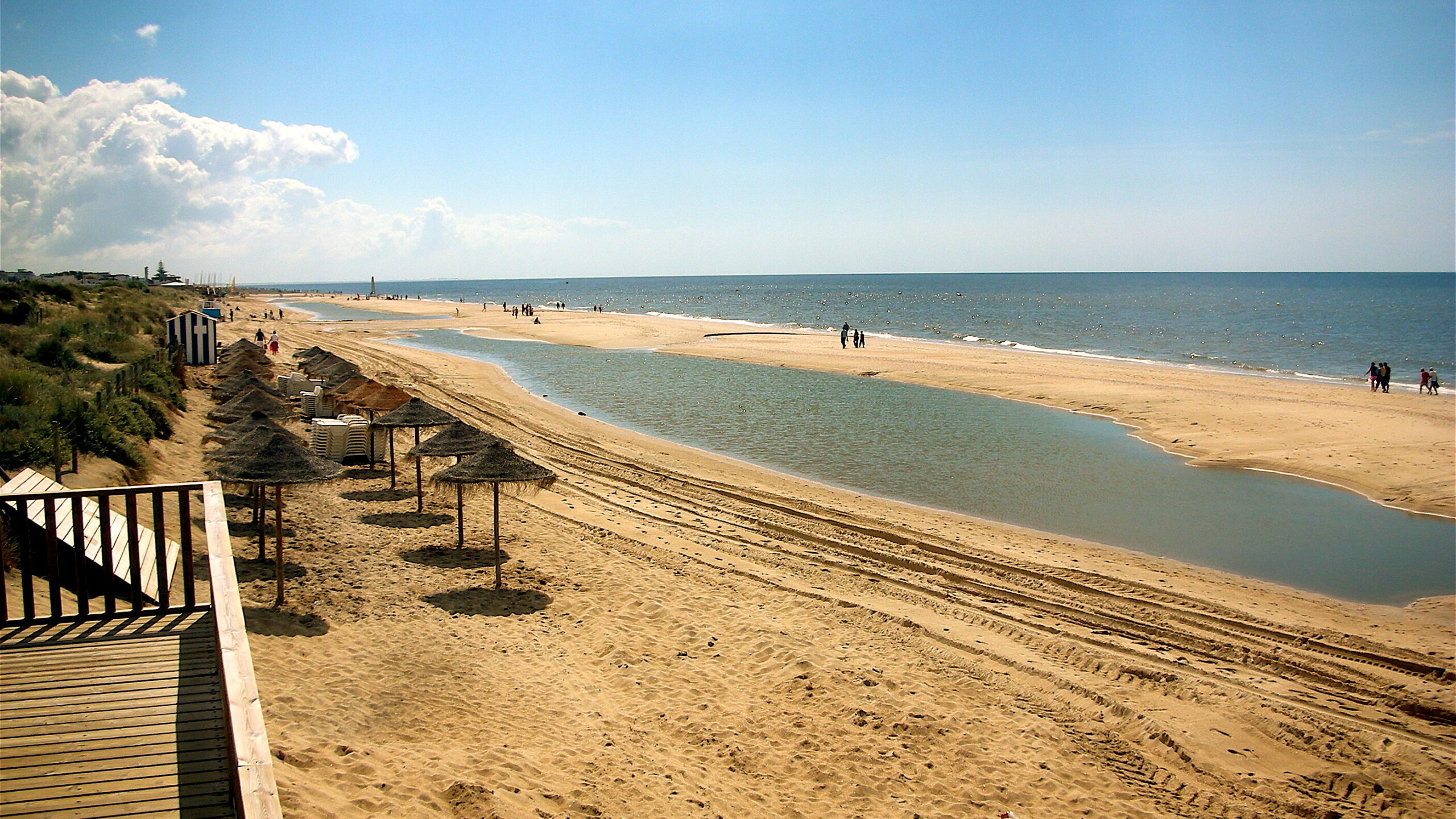
Isla Cristina boasts 12 kilometers of fine, golden sand stretching from Punta del Caimán to Islantilla Beach. The coastline is uninterrupted, so you can explore almost the entire coastline strolling along its unparalleled beaches. It's a beautiful area to get lost, relax, and enjoy magical sunsets.