EN
EN  ES
ES  DE
DE  FR
FR  PT
PT  NL
NL 

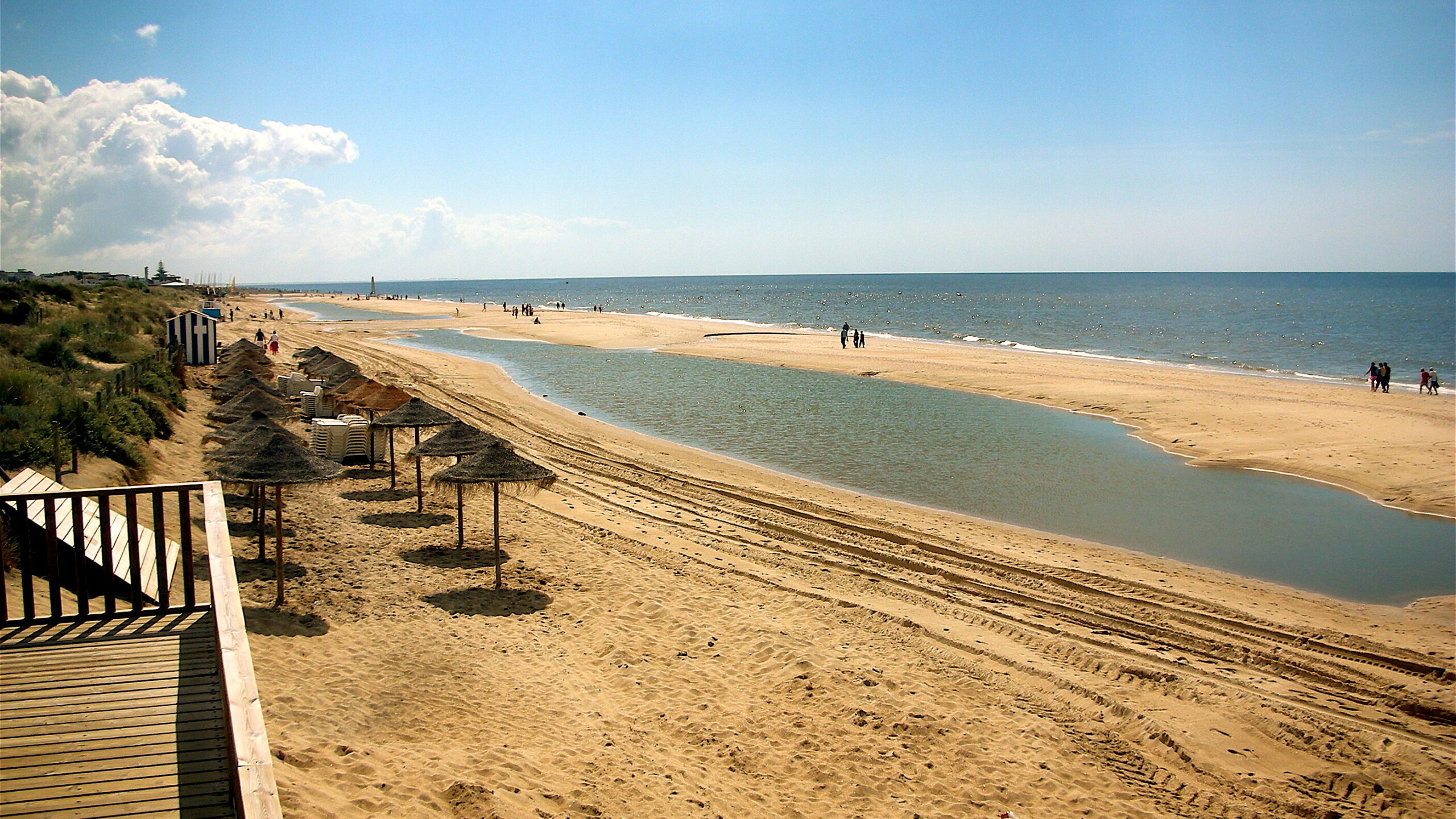
Crowded beaches are an exception here; high-rise apartment buildings are rare, and thanks to a sound tourism policy and environmental protection, this form of mass tourism will remain at bay for a while. On the contrary, the charming buildings typical of the Andalusian coast and the small fishing villages of Huelva abound in this corner of Spain: the coexistence of tourism and tradition is fundamental in this region.
A day in Huelva capital
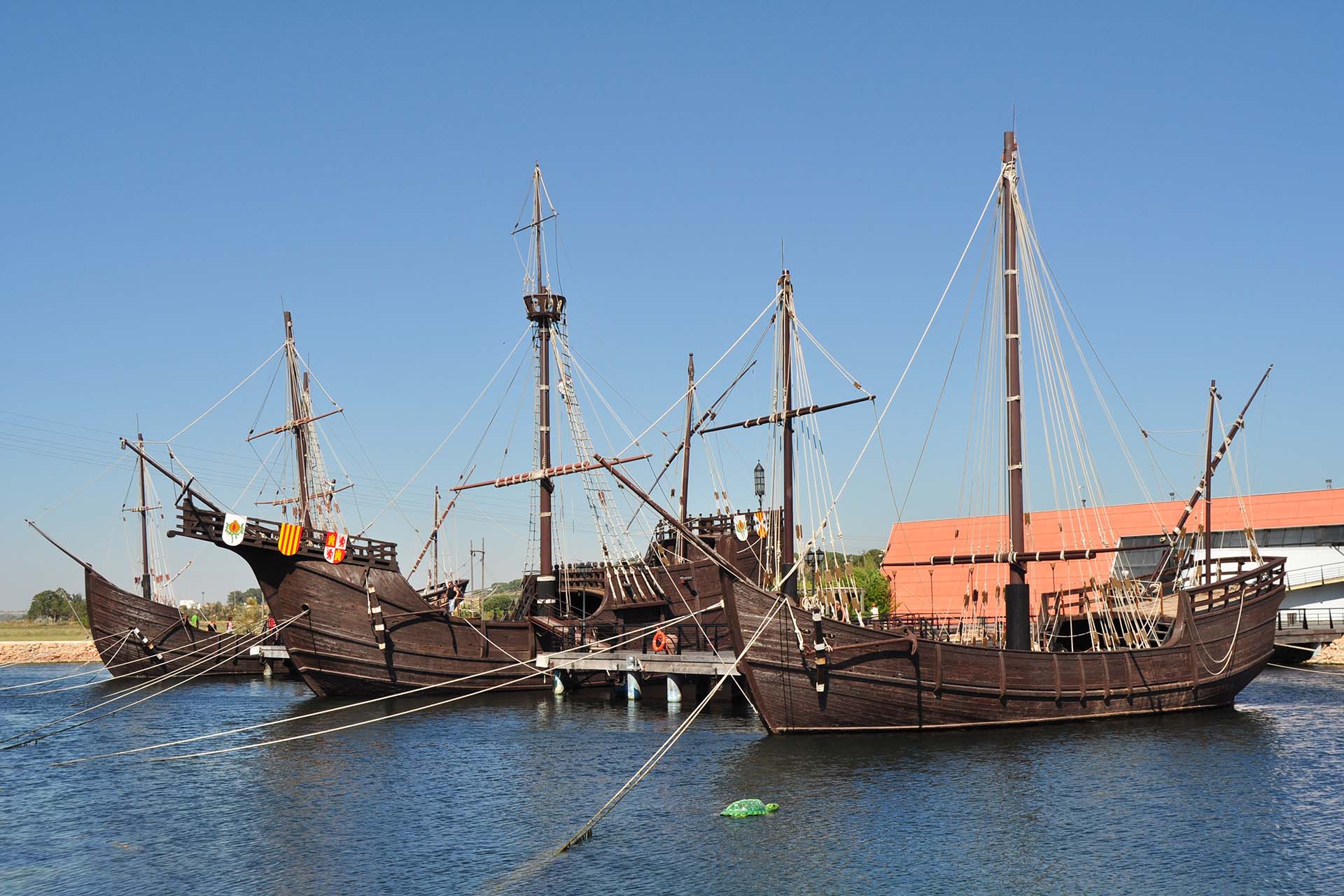
The regional capital is Huelva, which bears the same name. The city is not located on the coast, but on the banks of the Tinto and Odiel rivers. You can take beautiful boat trips along this river and the surrounding nature reserve. You might even come face-to-face with a great flamingo or spoonbill in no time. And you can experience a good dose of culture in Huelva. History revolves around Christopher Columbus, who planned his voyages of discovery from here. Check out the replicas of his ships, the Santa María, La Niña, and La Pinta, or visit the La Rábida Monastery. The city center is also characterized by an attractive main square, the Plaza de las Monjas, and distinctive buildings. A fine example of this is the Church of San Pedro, built in the Mudéjar style and with a gilded altar, a sight to behold.
For nature lovers
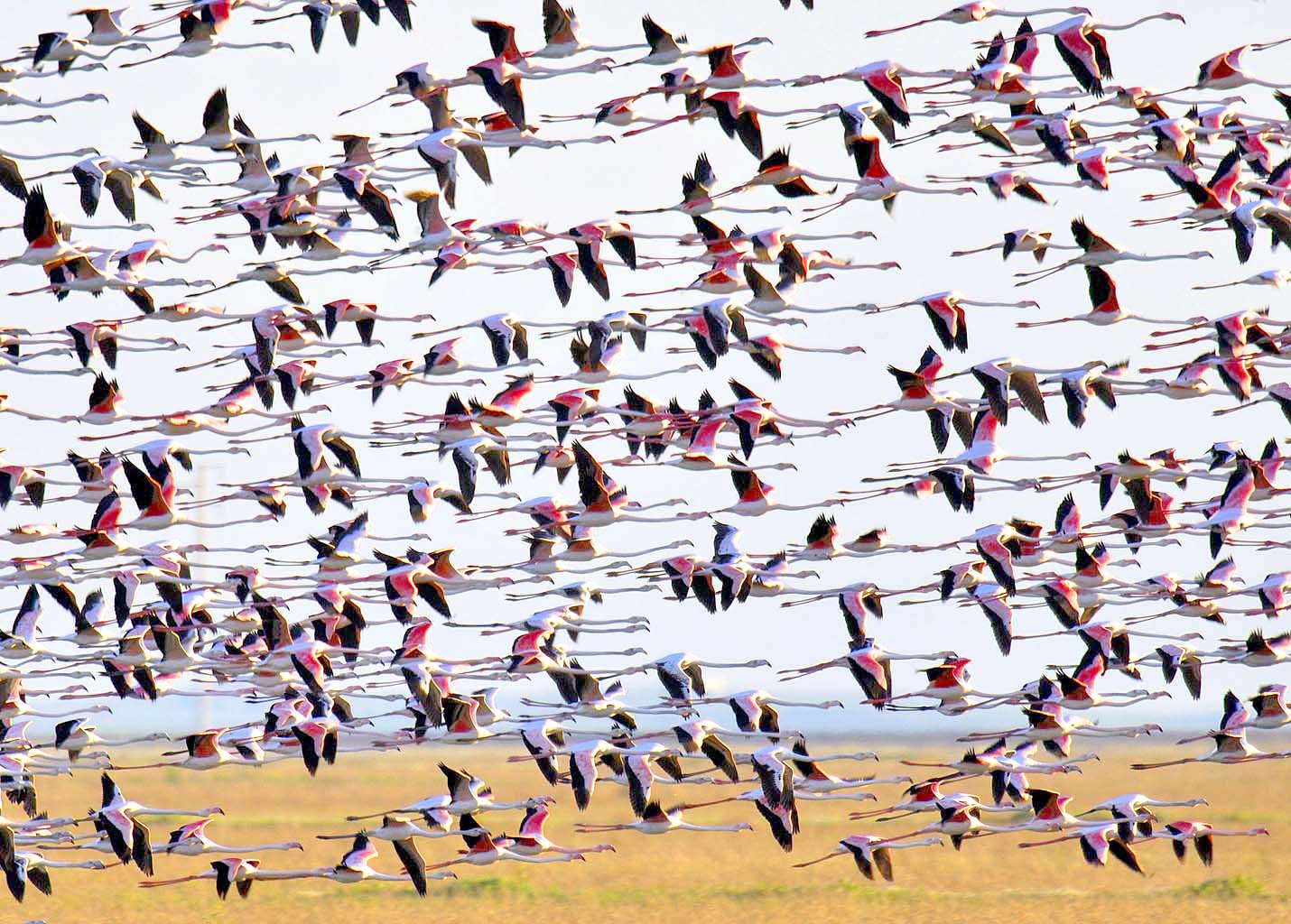
In the east of the province of Huelva lies one of the most important attractions on the coast: Doñana National Park. This park, covering more than 50,000 hectares, is a stopover for many migratory birds. In season, you can find ducks, geese, storks, and spoonbills. It's also home to eagles, vultures, wild boar, lynx, deer, and flamingos. You can explore the area, made up of beaches, dunes, and salt and freshwater lakes, on foot or by bicycle. You can also book 4x4 excursions and obtain information at one of the five visitor centers.
Beach life par excellence: Isla Canela
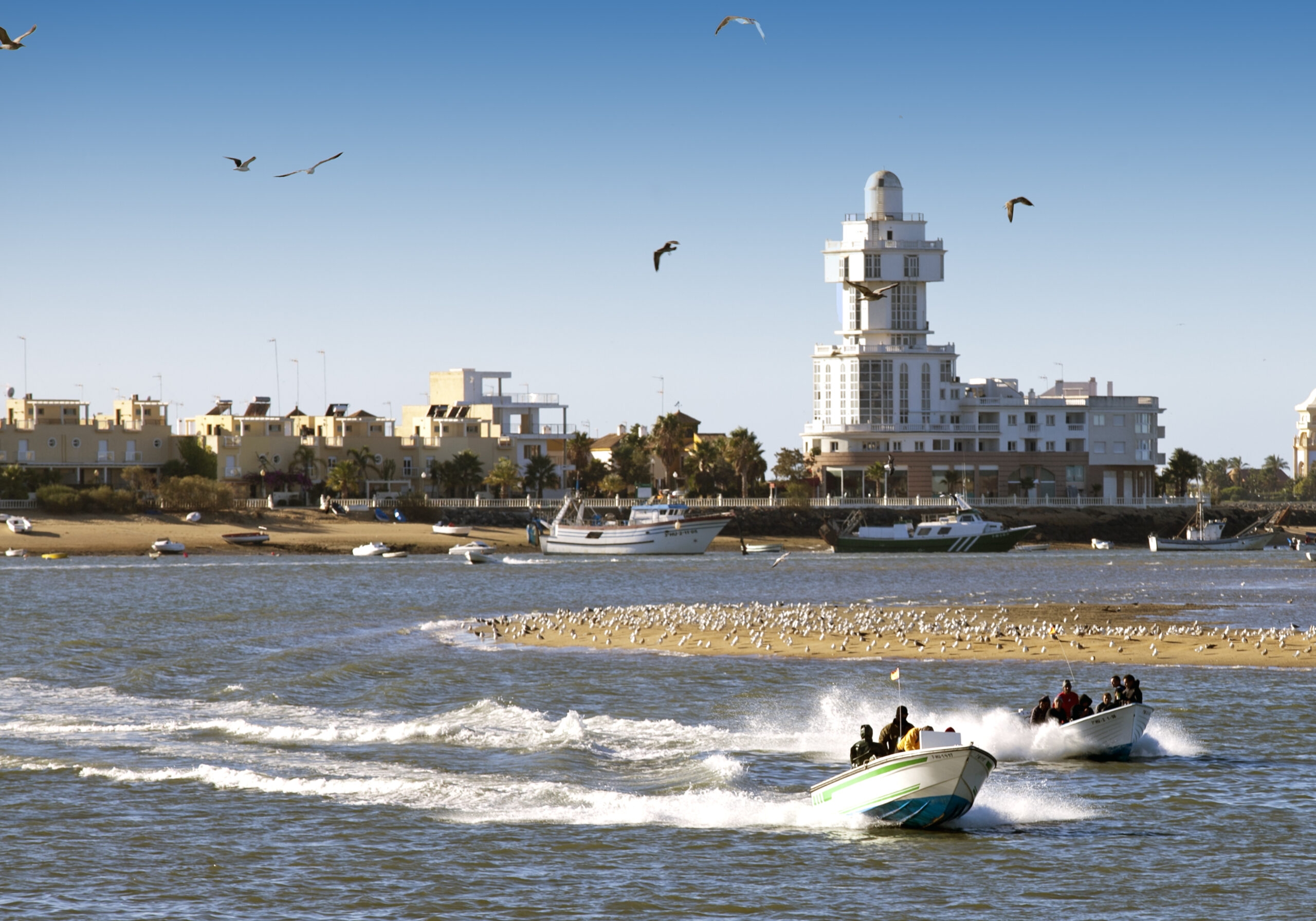
Right on the border with Portugal lies one of the most beautiful beaches on the Huelva coast. Isla Canela, a peninsula belonging to the typical fishing village of Ayamonte, boasts a kilometer-long sandy beach where you can enjoy the beach with all the amenities. The coastal town is characterized by luxury hotel complexes, a marina, and a golf course. The 7-kilometer-long promenade along the beach is lined with numerous local restaurants, and the sun almost always shines on you. This is what they call the good life.
Animation in Isla Cristina
If you travel west along Isla Canela, you'll reach the largest and best-known town on the west coast: Isla Cristina. Originally a seaside town, it has become one of the liveliest holiday destinations on the Huelva coast thanks to tourism, bars and restaurants, and its commercial activity. Along the coast, you'll find several golden beaches, which together total about 12 km. There's plenty of space for sunbathing, snorkeling, diving, kayaking, and windsurfing. You'll also discover the beautiful nature of the area. Go hiking or cycling and visit special nature reserves, or simply refresh yourself among the pine forests.
The best trips from the Huelva Coast
It's not just the Huelva coast itself that's fun: you can also take excursions throughout the region. For example, from the capital, you can drive to Seville in about an hour. This city is a true mecca for culture lovers. Stroll through the narrow streets of the Jewish Quarter of Santa Cruz, take colorful photographs in Plaza de España, enjoy a beautiful view of the city from the clock tower or the Metropol Parasol, and be amazed by the richly decorated Real Alcázar.
Other options:
• Take a day trip to one of Spain's oldest cities: Cádiz. Thanks to its long seafront promenade, it's often referred to as Little Havana. You can find a similar boulevard in the Cuban capital.
• You can easily cross from Ayamonte to the Portuguese border on a small ferry and explore the southern Algarve region. Marvel at its beautiful coastline with rugged rocks, charming villages, and the tastiest fish. Or spend a day shopping and soaking up the atmosphere in Vila Real de San Antonio.
• If you like golf, Islantilla is the place to be. Golfers love coming here for its 27-hole course.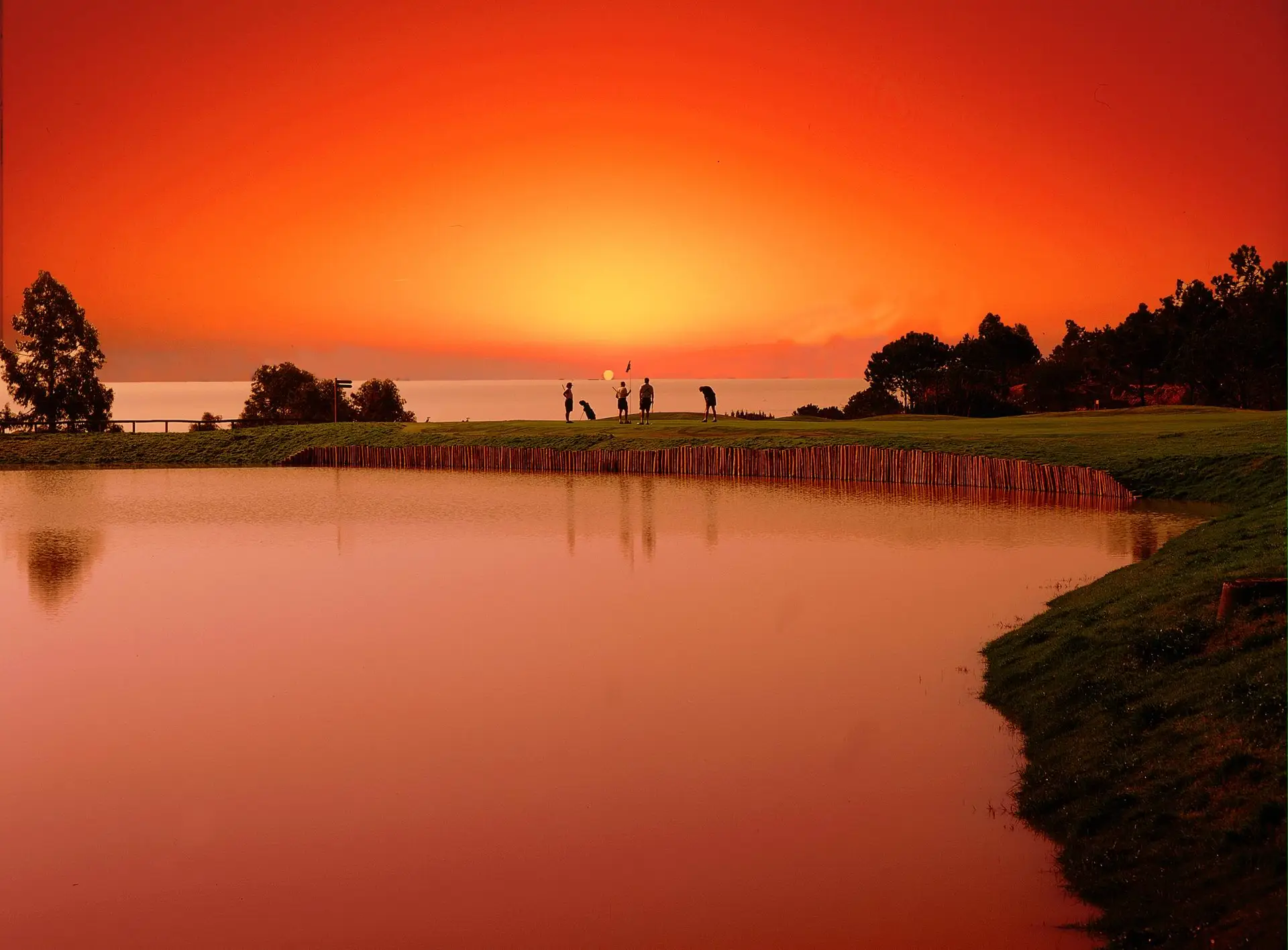
• A trip to the Sierra de Aracena and Picos de Aroche Natural Park is also a must-have. The best ham in Spain comes from here: Jabugo ham. Make an appointment at one of the ham cellars to take a tour, pet a pig, and try this world-famous ham.

• Have you ever seen a red river? Well, you can in Huelva. The Río Tinto is truly red, due to the high iron content in the soil. You can explore this area by taking a vintage train ride and visiting the old mines, which offer unique surprises and views along the way.